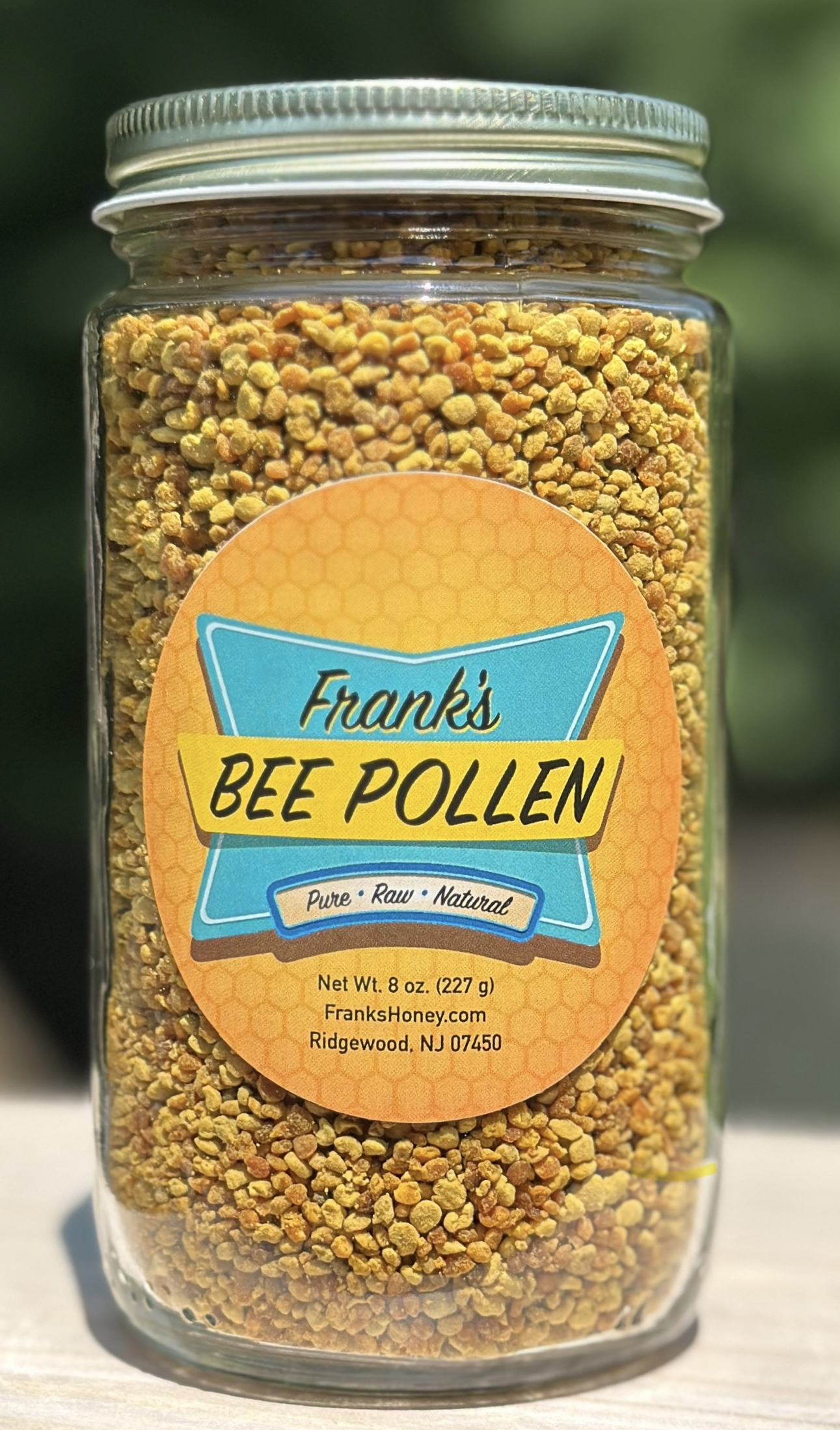
Bee Pollen: Nature’s Nutrient Powerhouse
A popular, health-boosting superfood, bursting with nutrients and natural goodness, Bee pollen is a remarkable natural substance packed with nutrients that have made it the subject of increasing scientific interest. Produced by honeybees, bee pollen is not only vital for the bees themselves but also offers numerous nutritional benefits for humans.
What Is Bee Pollen?
Bee pollen consists of tiny granules collected by worker honeybees from the pollen of flowers. As bees forage, they brush pollen grains into specialized pollen baskets on their hind legs, mixing it with nectar and enzymes to form compact granules. These granules are then transported back to the hive as a primary food source.
Nutritional Composition of Bee Pollen
Bee pollen is a great source of plant-based protein that is rich in nutrients including vitamins (B-complex, C, D, E), minerals (calcium, magnesium, potassium, zinc), amino acids, enzymes, and antioxidants. It is exceptionally nutrient-dense, containing carbohydrates, lipids, enzymes, and various bioactive compounds.
One striking fact is that per ounce, bee pollen contains more protein than an ounce of chicken breast, making it an excellent plant-based protein source.
How Bees Use Pollen
Pollen serves as the main protein source for the hive. Nurse bees consume pollen to produce royal jelly, which feeds the queen and developing larvae. Pollen provides essential amino acids, lipids, vitamins, and minerals that support brood growth and the overall health of the colony.
Scientific Benefits for Humans
The rich nutritional profile of bee pollen supports several potential health benefits:
Immune Support: Bee pollen contains antioxidants and antimicrobial properties that may help protect the body from oxidative stress and infections.
Energy and Stamina: High-quality proteins, carbohydrates, and vitamins help enhance energy levels and endurance.
Anti-inflammatory Effects: Studies indicate that bee pollen may reduce inflammation, which is linked to many chronic diseases.
Digestive Health: The enzymes present can aid digestion and nutrient absorption.
Skin Health: Vitamins and antioxidants in bee pollen contribute to skin repair and protection.
How to Eat Bee Pollen
Incorporating bee pollen into your diet is simple and versatile. Here are some popular ways to enjoy it:
Sprinkle it on foods: Add bee pollen granules to yogurt, oatmeal, smoothies, or salads for a nutrient boost.
Mix with honey: Blend bee pollen into honey to create a naturally sweet, nutrient-rich spread.
Add to beverages: Stir bee pollen into tea, juice, or protein shakes.
Take it as a supplement: Consume bee pollen by the spoonful, starting with a small amount (e.g., 1/4 teaspoon) and gradually increasing as tolerated.
To maximize benefits and avoid digestive upset, start with small doses and increase gradually over several days or weeks.
Conclusion
Bee pollen is a fascinating natural product essential to honeybee colonies and increasingly recognized for its impressive nutritional value for humans. Whether incorporated into a balanced diet or used as a natural supplement, bee pollen offers a potent source of protein, vitamins, and antioxidants that can contribute to overall health and well-being.
About Frank’s Bee Pollen
At Frank’s Honey, we take pride in offering 100% local, raw, and all-natural bee pollen. Our bee pollen is carefully collected, minimally processed, and packaged to preserve its nutritional integrity and freshness.
As a Certified Master Beekeeper and author passionate about sustainable beekeeping, I ensure every batch meets the highest quality standards. Our bee pollen not only supports your health but also helps sustain the vital pollinators that are essential to our ecosystem.
Discover the power of local bee pollen with Frank’s Honey — visit frankshoney.com to learn more and order today.