
Educating the Public

About the importance of honey bees
As president of the Northeast NJ Beekeepers Association, I am actively engaged in educating the general public about the importance of honey bees. One cannot underestimate the value of this function at a time when the survival and continuance of honey bees is in jeopardy.
 My club encompasses some of the most densely populated counties in one of the most densely populated states in the country. Being in the heart of Manhattan’s commuter communities, the Jersey suburbs have over 100 municipalities and well over one million people. This means that we receive many invitations to speak about honey bees from all the various schools, clubs, and fairs throughout the area. I try to do as many speaking engagements as I can, as I believe the more people who understand the benefits of honey bees, the better it is for all of us beekeepers. I have also found that every speaking engagement leads to one or two others. Many groups share ideas for speakers, and once your name gets around you are in demand. For example, speaking at Rotary Clubs and Master Gardener clubs are likely to lead to additional engagements at other chapters.
When I am asked what my speaker’s fee is, I always say, “I am a volunteer and donate my time, but I would ask that you make a donation to my bee club. I do bee talks to raise awareness, and also to raise money for my club.” When people hear that 100% of the honorarium will go to your club and not into your pocket, you have made another beekeeping ally who will happily make the donation.
As a Beekeeper, we might take for granted all the wonderful things bees do for humans. How do we effectively convey this information to a group? Just ask the group you’re speaking to if they like apples? Berries? Watermelons? Pears? And so on. You will be able to see people thinking about eating their favorite fruits. 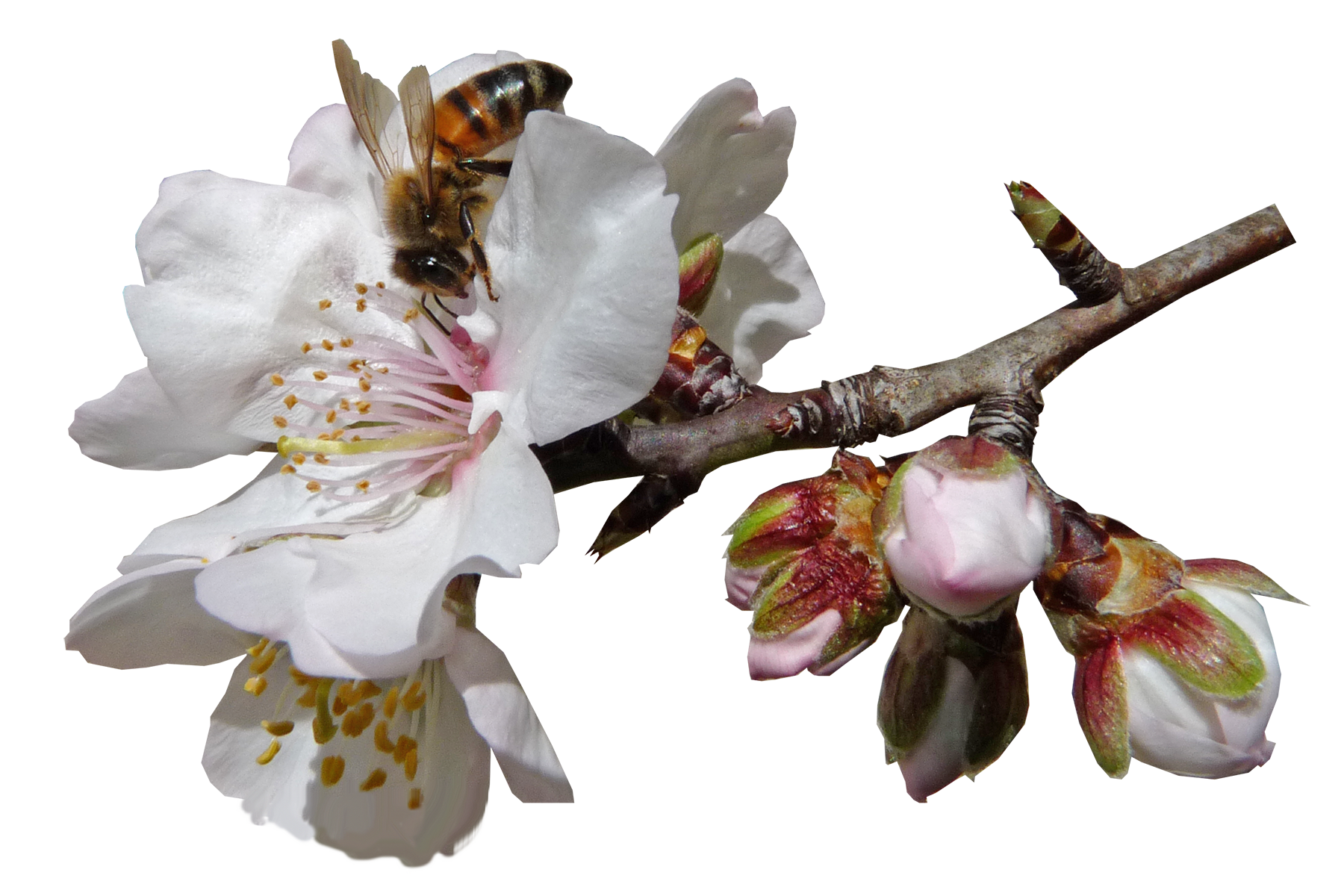 Then say, “Without the honey bee, we wouldn’t have any of these fruits to enjoy.” Now you got them where it matters most, in their appetite! It’s also good to follow up with information about the almond crop, how big it is and how 80% of the world’s almonds come from one area in California. Tell your audience that almonds are 100% dependent on the honeybee for pollination. You’ll have everyone’s attention by showing them a bee’s importance to their stomach and to a $4.3 billion dollar American business!
There are educational studies that show that one of the most powerful learning tools is teaching a concept to someone else. If you have to simplify the facts so that you can explain a concept to someone who is unfamiliar with it, that will cause you to think, and help you to process the information in different ways. That’s another reason why it’s so fun to speak to kids, you never know what they will ask, so you have to be prepared for a question on just about anything!
This blog post is an excerpt of the original composition written by Frank Mortimer and originally published online at Bee Culture – the Magazine of Beekeeping – You can read the entire article on their website from the link below.


